
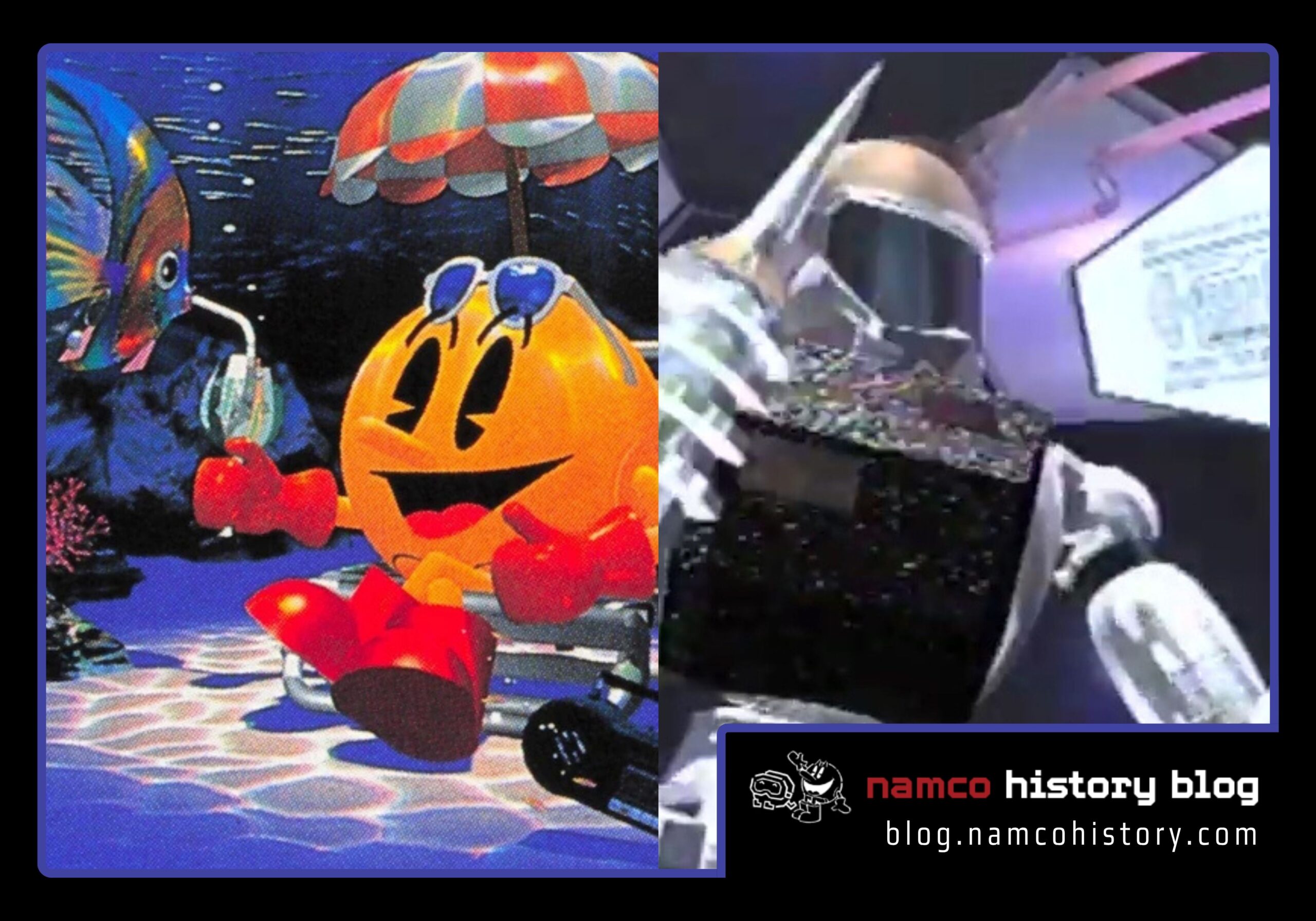
Namco was involved with several services and products in the ’80s, including video games, electromechanical arcade games, robotics, magazines, and even an Italian restaurant chain. Additionally, Namco had a division responsible for 3-D computer-generated imagery (CGI). Along with other pioneers in computer graphics — Pixar and Pacific Data Images — Namco helped develop the budding art form with their own projects.

The beginnings of the Namco Computer Graphics Division go back to 1981 with Japan Computer Graphics Lab (JCGL), originally located in Shibuya, Tokyo. JCGL’s CGI portfolio consisted mainly of flying logos and commercial work for Japanese clients.
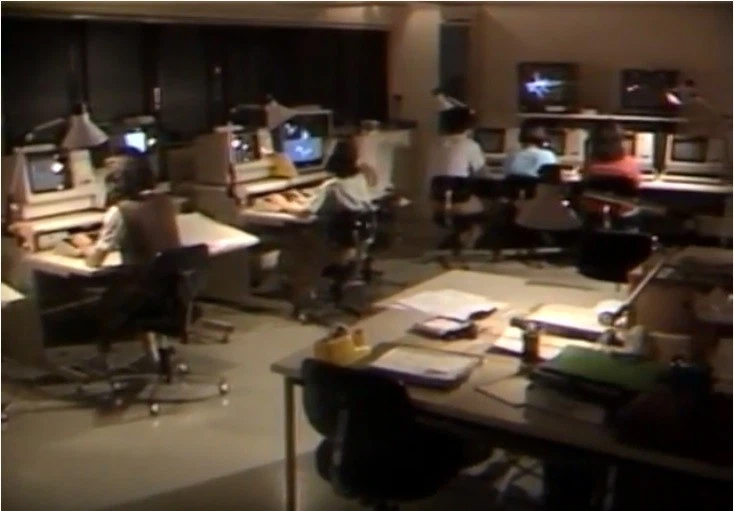
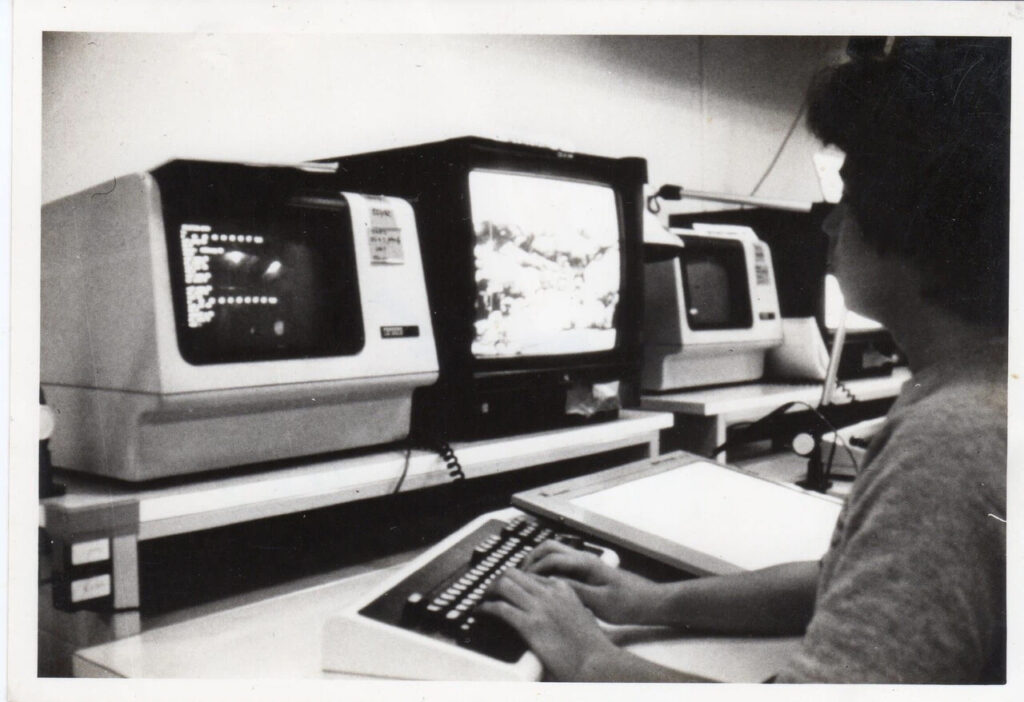
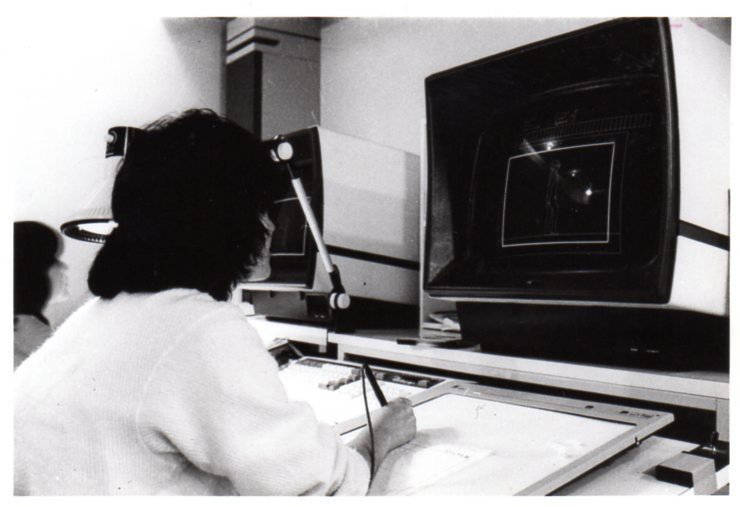
JCGL also contributed to the anime industry, mainly with CG computer graphics for the traditionally animated science-fiction film Lensman (1984), an adaptation of the American novel Galactic Patrol by E.E. Smith. JCGL also provided the digital ink-and-paint services to The Yearling (1983), a historical drama TV anime adaptation of the American novel of the same name by Marjorie Kinnan Rawlings. Episode two of The Yearling was one of the earliest animated TV episodes produced digitally. (The remaining episodes were filmed traditionally with animation cels.)
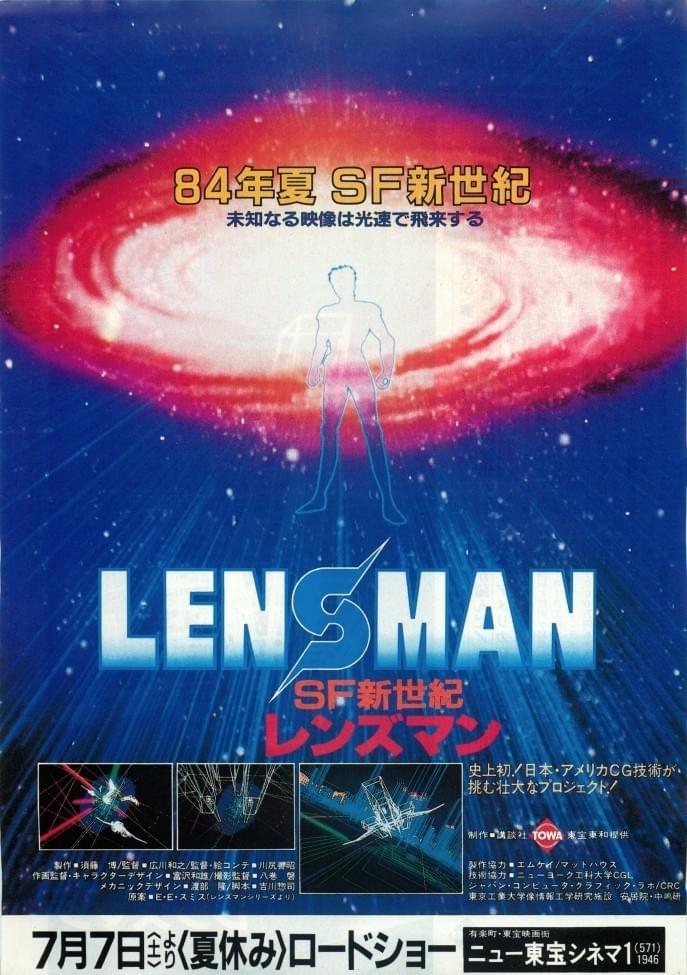
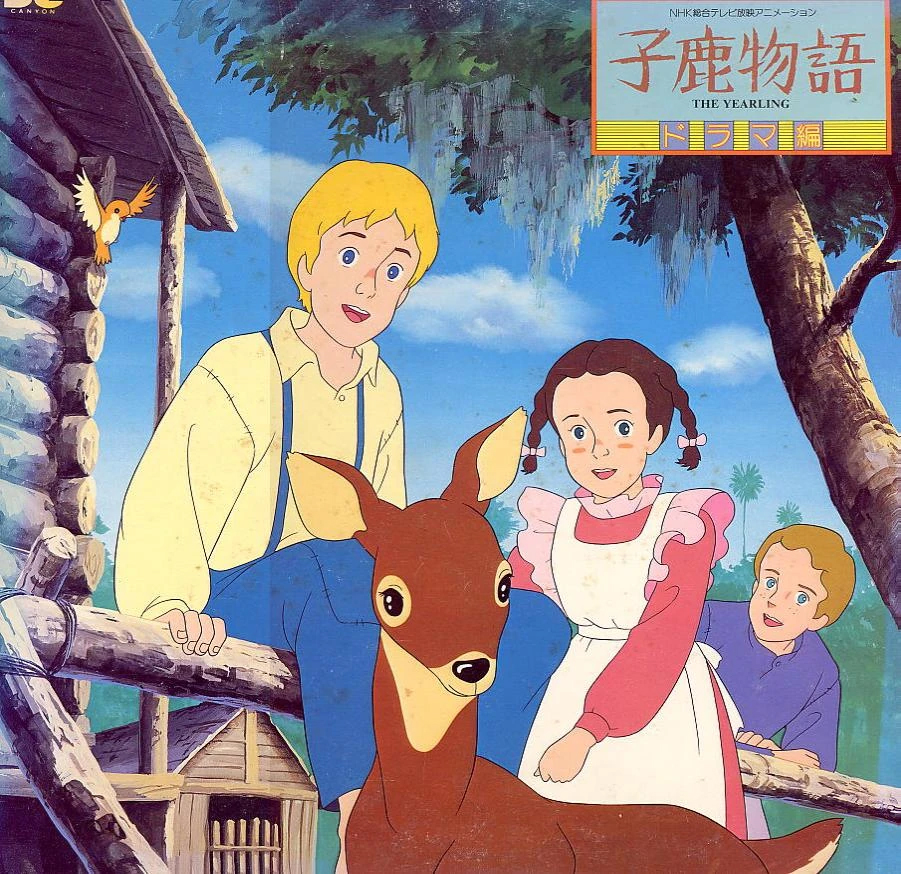
The work of JCGL made its way out of Japan with the opening flying titles seen in the theme song of DIC Enterprises’ Pole Position (1984), an American-Japanese television series adapted from Namco’s 1982 arcade game of the same name.
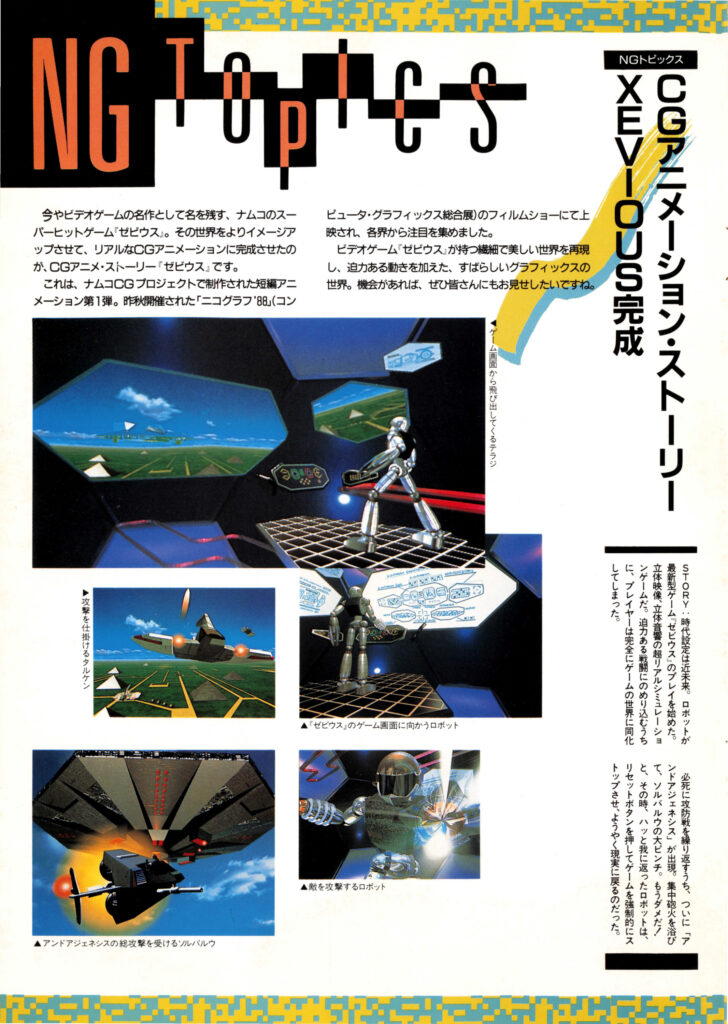
In 1988, Namco acquired JCGL, which folded into the Namco Computer Graphics Division. The new division at Namco would work on CG animated projects, such as an animated short based on Xevious (1983). The Xevious short was screened at the National Computer Graphics Association 1988 conference in the United States.
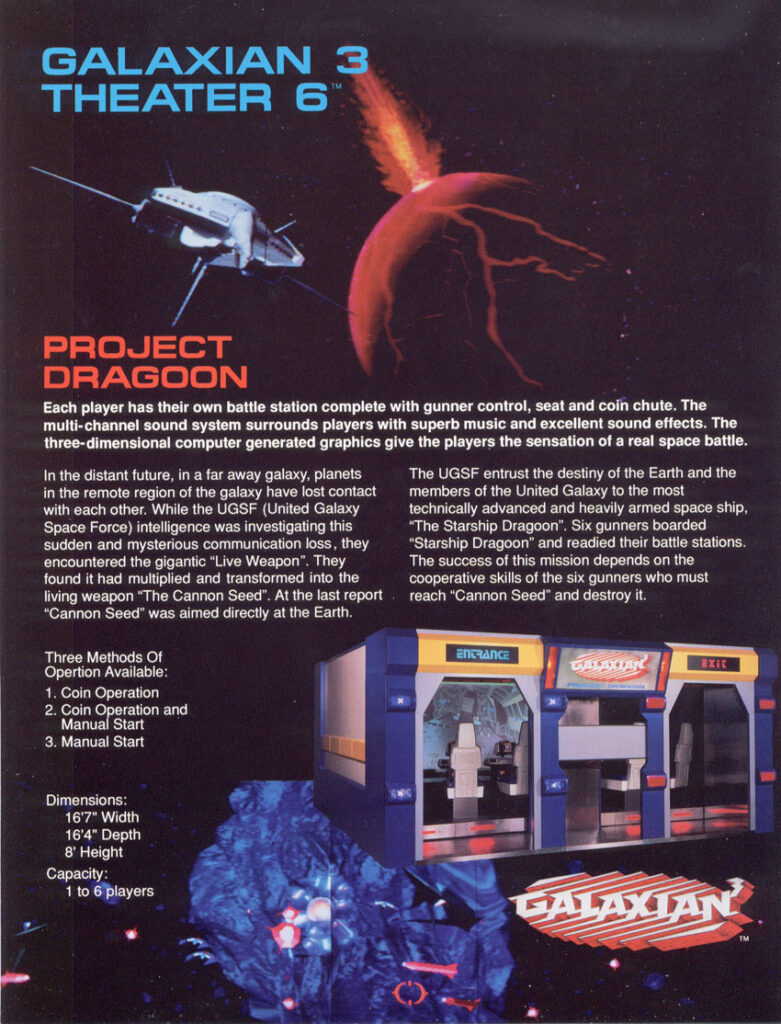
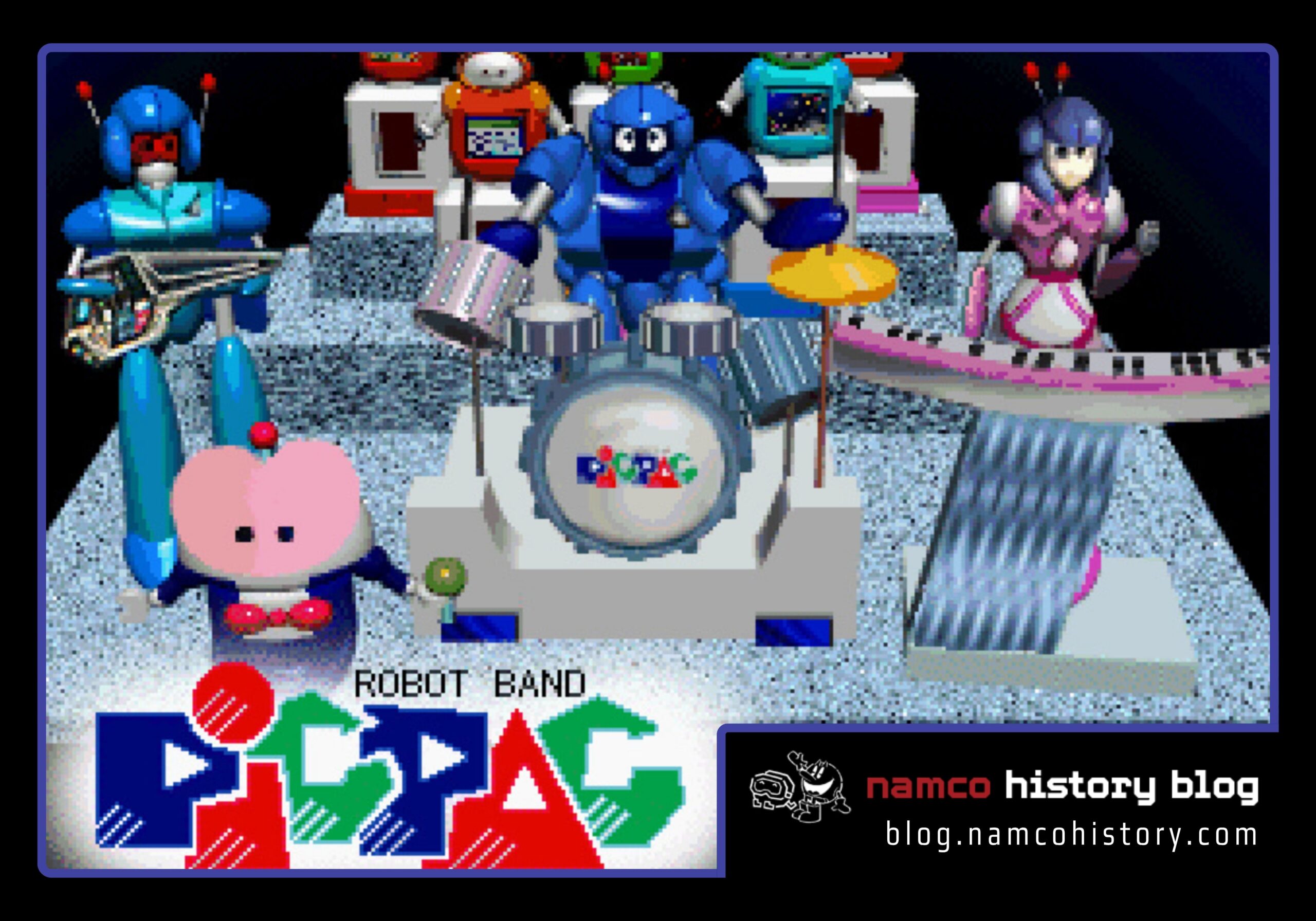
The CG work from Namco Computer Graphics Division has led the way for 3-D computer graphics in Namco’s video games. The late ’80s Namco arcade games Pac-Mania (1987) and Märchen Maze (1988) were some of the first video games featuring 3-D environments. Galaxian3: Project Dragoon, designed by Namco robotics guru Shigeki Toyama (Robot Band PiCPAC), was an immersive virtual reality experience that combined arcade gaming and 3-D computer graphics.
Namco would later make most of their arcade games 3-D as arcade technology advanced in the ’90s. Several 3-D Namco games — such as Ridge Racer (1993), Tekken (1994), and Time Crisis (1995) — were adapted for the PlayStation, a console that utilized 3-D graphics and full-motion video (FMV). Namco’s Pac-Man World (1999) featured FMV cutscenes that were animated with move-quality 3-D graphics.
Computer graphics and digital production have made their way into animation based on Namco properties. Tekken: The Motion Picture (1998), an original video anime (OVA) adaptation of the Tekken series, was animated with digital ink and paint, a few years before digital ink and paint was standard in anime production.
In 2002, Namco collaborated with Groove Corporation to produce a feature-length computer-animated film based on Xevious. The film had a limited release in Japan and has rarely been seen since.
3-D computer graphics are widely used in animation, visual effects, and gaming today, and Namco did play a part in that.
Further reading: Tanaka Seiichi’s recounts about Japan Computer Graphics Lab (in Japanese)
If you like this post, please check out my other Namco content. Visit the Namco Historian at namcohistory.com and stay updated on Instagram, Facebook, Bluesky, and YouTube.
My dad showed me the Lensman movie when I was a boy and it’s stuck with me my whole life. Truly amazing cg of the era in there.
I remain a fan of these daring and adventurous years of Namco (before the merger with Bandai). Thank you for putting all of this together.